
In this tab you can find activities, games, stories, and resources to engage your children according to different age levels. These resources can help your child get excited about reading and math.
These activities are targeted for children who may need additional help with reading.
.

This brief and infographic explain how reading screening helps identify students at risk for reading difficulties and how families can partner with schools to support their child’s reading success. Learn More
Learn More
Picture books can be an opportunity to develop children’s math and reading skills at the same time. Many storybooks have pictures and storylines that feature important early math concepts, such as numbers, shapes, patterns, and measurement. Talking about the math found in picture books can support children’s curiosity and enjoyment of math.Learn More
Learn More
Understanding dyslexia begins with separating myths from facts. This resource clears up common misconceptions and shares research-based facts to help educators, parents, and caregivers better support students with dyslexia.Learn More
Learn More Learning to read is difficult and does not happen naturally. It requires explicit and systematic instruction, which is especially important for struggling readers. Here is an overview of how children typically learn to read, and a checklist of warning signs that parents can use to measure their progress. Learn More Here
Learn More Families and educators can work together to ensure children have successful literacy experiences in and out of school, which is especially important if children have reading difficulties. Children with reading difficulties have specific instructional needs that are best addressed with a comprehensive approach to literacy development that includes supports at school and home. Learn More Here
Learn More Dyslexia can manifest differently depending on a child’s age and stage of reading development. Early identification is critical to provide effective support and intervention. Learn More
Learn More
New Changes to Ohio’s Dyslexia Support LawsHouse Bill 33 of the 135th General Assembly included several important updates to Ohio’s dyslexia support laws.Learn More
Learn More The ability to read is the foundation of learning. Research shows that children who are not reading at a third-grade level by the end of grade 3 are likely to have trouble learning in all classroom subjects in higher grades. Learn more here.
Learn More
Our Center partnered with the Ohio Department of Education, Ohio families, and educators to develop sample communication tools and guidance for schools related to Ohio’s Dyslexia Laws. These resources are aligned with Ohio’s Dyslexia Guidebook for schools, and can be copied/adapted for local use. Learn More Here
Learn More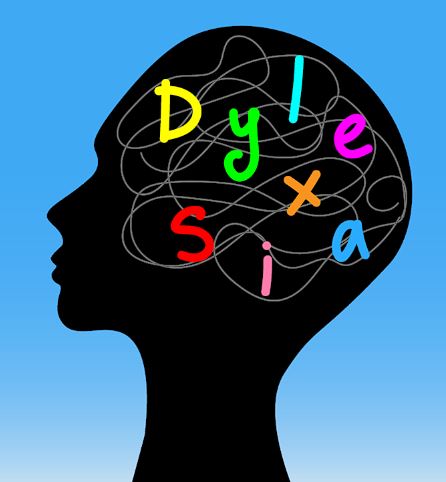
What is dyslexia?Dyslexia is one of the most common learning disabilities. People with dyslexia have many strengths, but have unexpected trouble learning to read. These difficulties are not related to a person’s intelligence or motivation. Children with dyslexia can learn to read. Families, early childhood teachers, or kindergarten teachers are often the first to notice children having difficulty with talking…
Learn More
At Unite for Literacy, we picture a world where all children have access to an abundance of books that celebrate their languages and cultures and cultivate a lifelong love of reading. Unite for Literacy has developed the platform, publishing tools, and systems-based strategies that support our public and private sector partners to change the literacy landscape of their communities and…
Learn More
Explore our Games and Storybooks. Help incorporate playful learning into your child’s early education through different kinds of games, storybooks, and interactives that will keep them curious, confident, and excited to explore more. Learn More
Learn More
ALL Ohio (Advancing Literacy Learning in Ohio) is a compilation of high-quality professional learning resources for Ohio’s P20 education system. ALL Ohio serves as a tool to strengthen educators’ knowledge and skills in evidence-based language and literacy practices grounded in the science of reading. Learn More
Learn More
Fall is on its way, and it's time for the school year to begin — and not just for kids, but for parents and teachers, too. Parents can help their young children become acclimated to the newness of school and ease their older kids back into familiar school-day routines. If you're a teacher — whether a novice or an old…
Learn More
Research shows that students can maintain or improve reading skills when they are out of school for the summer.Access to books over the summer increases reading opportunities and enjoyment of books, and helps students be ready for next school year.Students who read at least five books during the summer can maintain important literacy skills. Read full article here
Learn More
Ohio’s Dyslexia Guidebook is available now. As required by Ohio law, Ohio’s Dyslexia Guidebook contains best practices and methods for universal screening, intervention and remediation for children with dyslexia or children displaying dyslexic characteristics and tendencies. Districts and schools should use the guidebook to access critical information for successful implementation of Ohio's dyslexia support laws. Read more on Dyslexia Supports here
Learn More
One of the first and most important things to remember when introducing books and literacy experiences to a young child with a visual impairment is that the child is a child first. While there are certain tips and techniques that will make reading more meaningful and pleasurable for children who are blind or visually impaired, many of the same principles…
Learn MoreIf you have a child who is a struggling reader, your family is not alone. Learning to read is a challenge for almost 40 percent of kids, and an even bigger challenge for their parents. Empowering Parents, a PBS special hosted by Al Roker, visits schools in Huntingtown, Maryland, and Portland, Oregon, to see how families learn to identify early signs…
Learn More
As a special education teacher who teaches struggling readers with different disabilities, I’m often crafting mental lists of things I wish parents knew about their dyslexic children. Most important, I am eager for the parents of my students to understand that their children can and will learn to read, but it will take time. Read full article
Learn More
Dyslexia is a brain-based learning disability that specifically impairs a person’s ability to read. Defining Dyslexia Dyslexia affects about one in every five individuals, making it the most commonly diagnosed learning disability. Dyslexia affects the brain areas associated with detection and processing of sounds and their corresponding letters. These letter-sound linkages are fundamental to reading. When these brain regions do not function…
Learn More These tips for parents of children with disabilities emphasize the importance of children learning to read. Tips for Parents of Children with Speech and Language ProblemsTips for Parents of Children with ADHDTips for Parents of Children with Autism Spectrum DisorderTips for Parents of Children with Hearing Loss or Deafness Tips for Parents of Children with Low Vision or Blindness Tips…
Learn More
Learning to read and write can be very difficult. There are a wide variety of reasons why a child may be having a hard time. These articles provide tips on how to get support and advice if you think your child may need some extra help. Read the full article here
Learn More
Talk to Your Child’s Doctor As a parent, you know your child best. If your child is not meeting the milestones for his or her age, or if you think there could be a problem with the way your child plays, learns, speaks, acts, and moves talk to your child’s doctor and share your concerns. Don’t wait. Acting early can make…
Learn More Skills such as taking a first step, smiling for the first time, and waving “bye bye” are called developmental milestones. Children reach milestones in how they play, learn, speak, act, and move (crawling, walking, etc.). Click on the age of your child to see the milestones: 2 months4 months6 months9 months1 year18 months2 years3 years4 years5 years Read The Full…
Learn More
The process of learning to read isn’t easy. When kids struggle with reading, it doesn’t mean they’re not smart. It also doesn’t mean they’re lazy. In fact, kids who have trouble reading are often trying as hard as they can. Read the full article here.
Learn More