In this tab you can find activities, games, stories, and resources to engage your children according to different age levels. These resources can help your child get excited about reading and learning to read.
These activities are targeted for ages Kindergarten and First Grade.

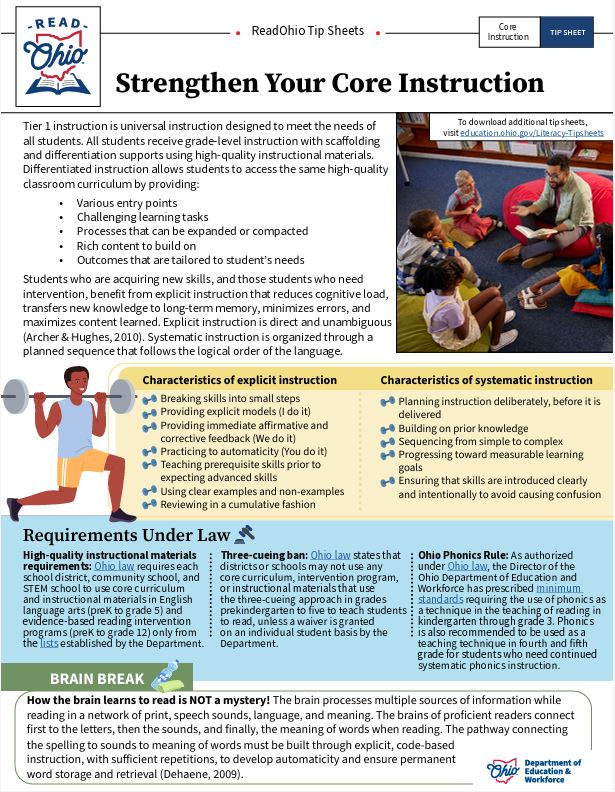
Tier 1 instruction is universal instruction designed to meet the needs of all students. All students receive grade-level instruction with scaffolding and differentiation supports using high-quality instructional materials. Differentiated instruction allows students to access the same high-quality classroom curriculum by providing: • Various entry points • Challenging learning tasks • Processes that can be expanded or compacted • Rich content…
Learn More
Vocabulary development starts early, before children learn to read. Learn the differences between the types of vocabulary, and activities families can do at home to foster a child’s vocabulary.Learn More
Learn More
This book is a bilingual Spanish-English version of the popular nature theme picture book by Rebecca Bielawski, Bees Like Flowers, available on our home page. We hope you enjoy it! Learn More Here
Learn More
The classic poem of Clement Clarke Moore is set to imaginative images, creating some differences and diversity to the tale. Learn More Here
Learn More Learning to read is difficult and does not happen naturally. It requires explicit and systematic instruction, which is especially important for struggling readers. Here is an overview of how children typically learn to read, and a checklist of warning signs that parents can use to measure their progress. Learn More Here
Learn More Families and educators can work together to ensure children have successful literacy experiences in and out of school, which is especially important if children have reading difficulties. Children with reading difficulties have specific instructional needs that are best addressed with a comprehensive approach to literacy development that includes supports at school and home. Learn More Here
Learn More Dyslexia can manifest differently depending on a child’s age and stage of reading development. Early identification is critical to provide effective support and intervention. Learn More
Learn More
The Supporting Literacy at Home Guides in English and Spanish provides parents with suggestions for supporting their children's literacy development at home, through a culturally and linguistically responsive approach to shared reading. Parents and family members are encouraged to engage in interactive reading and discussion in Spanish and/or English and their funds of knowledge are tapped by connecting the text to the…
Learn More Engaging in literacy activities at home can help develop your child’s reading ability, comprehension and language skills, and improve your child’s interest in reading, attitude toward reading, and focus.Learn More
Learn More
My First Halloween is a cheerful board book for very early readers. It follows a child getting ready for Halloween night, putting on a witch hat, carrying a candy basket, and meeting playful Halloween friends like bats, cats, ghosts, and even a friendly vampire. With fun sounds (“Boo!” “Meow!” “Ooo ooo!”) and simple, repetitive text, little readers can enjoy the…
Learn More
In a magical land, a curious boy named Mika meets Ali—a legendary puffball who’s lost, far from home. Determined to help, Mika joins forces with a talking pony named Scout – together they set off on a whimsical journey through woodland forests, one very hot desert, and a charming sand palace. Learn More Here
Learn More
A cute rhyming halloween story for young children with beautiful imagery and some recipes at the end. Available in pdf and in editable .odg format and using the open dyslexic font. Learn More Here
Learn More
Dragonfly wishes he could join Butterfly in her beautiful song, but he has lost his violin. Butterfly has an idea to get it back, but Dragonfly doesn’t always see the logic. Will the hard work pay off? A cute, fun story for emerging readers. Learn More Here
Learn More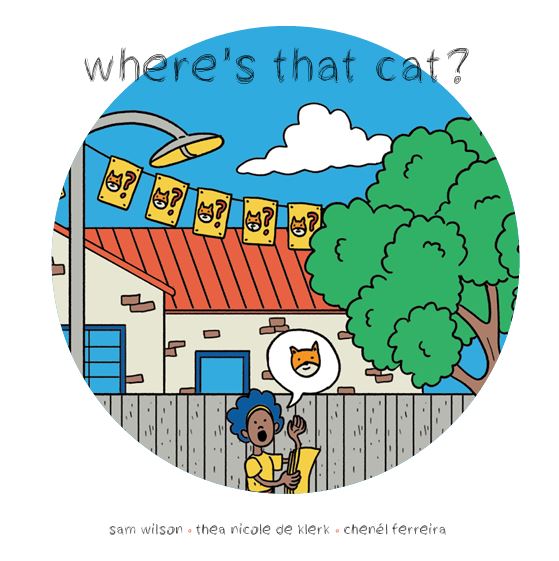
In Where’s That Cat, a wordless book, the inventor’s daughter goes looking for her missing cat. Adventure and humor follow in the resulting hunt. Sample Images from Where’s That Cat Illustrated by Thea Nicole de Klerk Written by Sam Wilson Another great book brought to us by BookDash, ensuring more books in children’s hands. Learn More Here
Learn More
Join Ellissa Schwartz for Read Out Loud and her Mom’s Choice Award-winning picture book, THIS DAY I HOLD DEAR. Don’t miss this sweet and poignant reminder of the importance of being present with your family as you share precious time together, told through rhymes and messages of love and care. Learn More Here
Learn More
A free biology ebook for early grades by BookBot Kids. Learn More Here
Learn More
Lwando’s sister Oyiso is sometimes very cute, but sometimes she is a monster! Can Lwando tame the monster? Find out in this beautifully illustrated book from BookDash. Sample Page from How to Tame a Monster <End of Page 2 of 24> Download or read online the full free children’s ebook Learn More Here
Learn More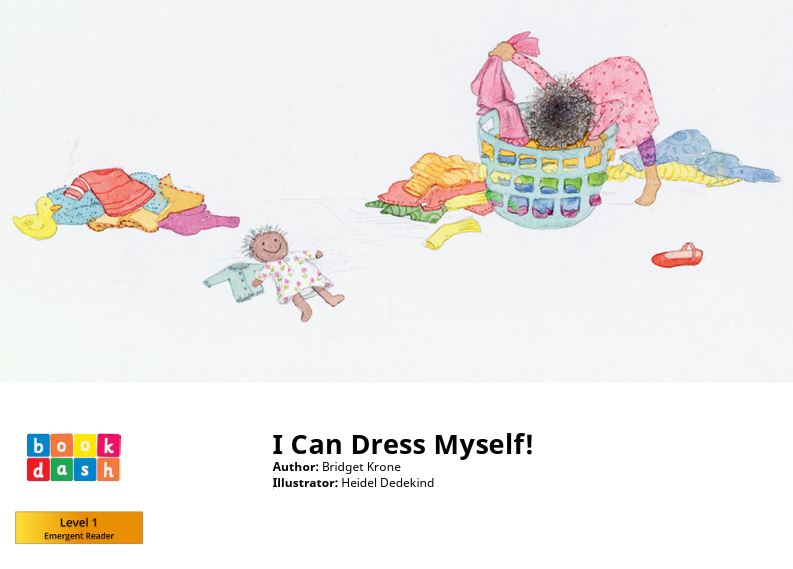
Wordless picture books build literacy by encouraging creativity, language skills, and critical thinking—no reading level required! They spark imagination, grow vocabulary, boost comprehension, and inspire a love of reading. Talk about the pictures, ask questions, tell stories, act them out, write them down, and create art together. I Can Dress Myself Lefa's Bath
Learn More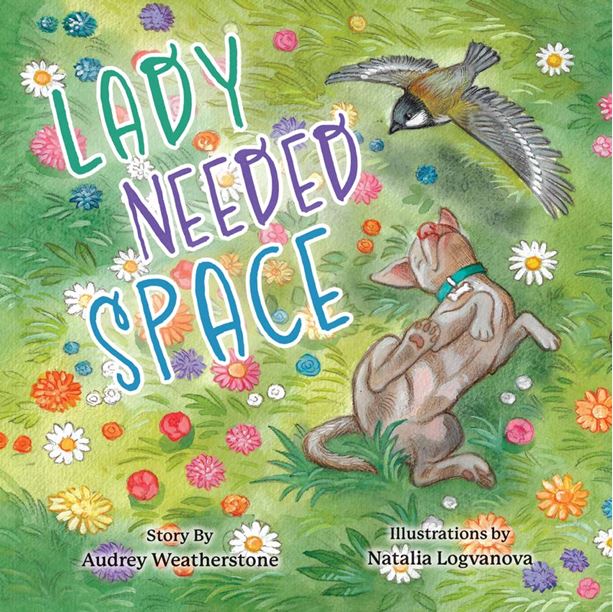
When Lady is brought home from the animal shelter, she feels overwhelmed by the busy world around her, full of unfamiliar dogs, people, sounds, and smells. She doesn’t know what to do with her big feelings! But with love and patience from her human, April, Lady learns tricks to help her feel safe, and even makes … Read More Here
Learn More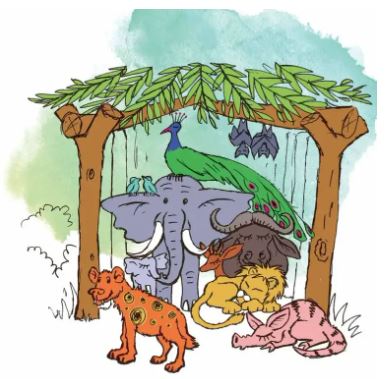
The animals take turns at watching out for humans at night, but when Owl gets caught by a small boy what does he do? Will this action shape his future? Moral always behave how you want others to see you, even if you are afraid, then you will never be ashamed. Learn more here
Learn More Read this short document for questions you can ask a child before, during, and after reading fiction books. Learn more here
Learn More As the holiday season approaches, snuggle up with your little ones and share the magic ofClement C. Moore’s classic poem, TWAS THE NIGHT BEFORE CHRISTMAS lovingly read by KidLit TV’sRocco Staino on this special episode of Read Out Loud. Learn More Here
Learn More Become a part of the pack! Join young author Amelie Anastasia for Read Out Loud as she shares her new adventure in the forest, WOLF TALES. Howl along as young wolf pups, Lavender and Leaf meet new friends and discover the wonders — and dangers — of life in the wild. Learn More Here
Learn More There isn’t a second to lose! One of Santa’s reindeer has gone missing. Everyone knows Santa needs EIGHT reindeer to pull his sleigh. If Santa and the other seven can’t find Prancer, there may never be another Christmas! Find out where Prancer has gone on this holiday episode of Read Out Loud as Rocco reads the picture book classic, WHERE’S PRANCER by…
Learn More
Multisyllable words are words that have more than one syllable—words like institution, happiness, and together. Those words all have more than one syllable. They’re multisyllable words. And there’s one thing that you need to know. Every syllable has one vowel sound. Let’s take a look.Learn More
Learn More
Where to find the front and back of a book, and the top and bottom of a page, are all part of “print knowledge.” Children learning to read use that knowledge to figure out where words and sentences begin and end. This video explains “print knowledge” and why it’s important, from literacy experts at the Crane Center for Early Childhood…
Learn More
Families in Ohio now have the option to receive a 100% bilingual English/ Spanish Imagination Library book collection. The option is available to all children from birth to age five in Ohio! Learn More here
Learn More
The ability to read is the foundation of learning. Research shows that children who are not reading at a third-grade level by the end of grade 3 are likely to have trouble learning in all classroom subjects in higher grades. Learn more here.
Learn More
Did you know there are simple tips you can use when you read together?These tips are for every adult who shares the joy of reading with a child. They are based on best practices and can be used with any books that you have. Learn More
Learn More The ability to read is the foundation of learning. Research shows that children who are not reading at a third-grade level by the end of grade 3 are likely to have trouble learning in all classroom subjects in higher grades. Learn More here
Learn More
We know learning never stops, and reading is a wonderful way for your family to continue to learn and have fun during summer break. Our staff loves reading individually and with our families. Did you know that reading with your children over the summer can help them prevent losing their reading skills? One study from Harvard found that reading with…
Learn More
Find everything you need for the greatest show in the solar system! Explore the fascinating astrophysics of eclipses with astronaut Steve Bowen. Ever wonder why we don’t have an eclipse every month? What are the odds that the Moon perfectly covers the sun? Astrophysics is even more fascinating than fiction! We are excited to offer two age-appropriate book readings and one on-orbit science…
Learn More
When we are learning a language, we do not segment academic and language information separately in our brains. Instead, we use our knowledge as an integral system to communicate with others and learn new content. In this set of activities, parents can find ways to help their children practice English and home languages while learning academic content. Parents/caregivers: When you click…
Learn More
Our Center partnered with the Ohio Department of Education, Ohio families, and educators to develop sample communication tools and guidance for schools related to Ohio’s Dyslexia Laws. These resources are aligned with Ohio’s Dyslexia Guidebook for schools, and can be copied/adapted for local use. Learn More Here
Learn More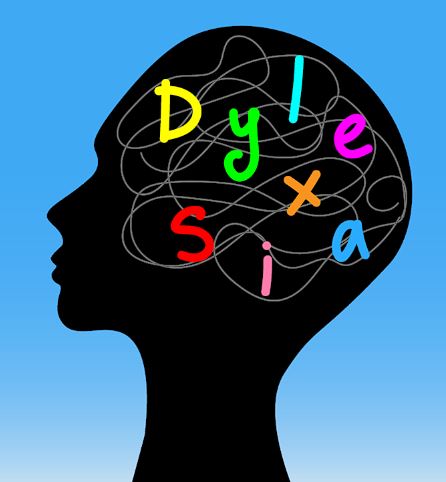
What is dyslexia?Dyslexia is one of the most common learning disabilities. People with dyslexia have many strengths, but have unexpected trouble learning to read. These difficulties are not related to a person’s intelligence or motivation. Children with dyslexia can learn to read. Families, early childhood teachers, or kindergarten teachers are often the first to notice children having difficulty with talking…
Learn More
At Unite for Literacy, we picture a world where all children have access to an abundance of books that celebrate their languages and cultures and cultivate a lifelong love of reading. Unite for Literacy has developed the platform, publishing tools, and systems-based strategies that support our public and private sector partners to change the literacy landscape of their communities and…
Learn More
Explore our Games and Storybooks. Help incorporate playful learning into your child’s early education through different kinds of games, storybooks, and interactives that will keep them curious, confident, and excited to explore more. Learn More
Learn More
ALL Ohio (Advancing Literacy Learning in Ohio) is a compilation of high-quality professional learning resources for Ohio’s P20 education system. ALL Ohio serves as a tool to strengthen educators’ knowledge and skills in evidence-based language and literacy practices grounded in the science of reading. Learn More
Learn More
Animal Walks are simple and fun exercises that invite children to use their imagination tomove their bodies to copy animals. They are an easy way to get a quick dose of gross motorplay into your child’s day. These tasks get kids moving and active and allow them to releaseenergy. Many of these movements develop core strength, balance, and agility which…
Learn More
Fall is on its way, and it's time for the school year to begin — and not just for kids, but for parents and teachers, too. Parents can help their young children become acclimated to the newness of school and ease their older kids back into familiar school-day routines. If you're a teacher — whether a novice or an old…
Learn More
Research shows that students can maintain or improve reading skills when they are out of school for the summer.Access to books over the summer increases reading opportunities and enjoyment of books, and helps students be ready for next school year.Students who read at least five books during the summer can maintain important literacy skills. Read full article here
Learn More
Ohio’s Dyslexia Guidebook is available now. As required by Ohio law, Ohio’s Dyslexia Guidebook contains best practices and methods for universal screening, intervention and remediation for children with dyslexia or children displaying dyslexic characteristics and tendencies. Districts and schools should use the guidebook to access critical information for successful implementation of Ohio's dyslexia support laws. Read more on Dyslexia Supports here
Learn More
What we know about beginning readers Children progress as readers at different rates, but they pass through predictable stages of development. For typically-developing readers, the stages of reading can be mapped onto grade levels, but as a homeschool teacher you have the advantage of being able to provide the instruction your children need, regardless of their grade. Read full article here
Learn More
At Reading Partners we know the learning doesn’t begin and end in the classroom. Research shows that family involvement is the number one predictor of early literacy success and future academic achievement. We encourage family members to read at home with their kids every day and stay involved in their children’s educational experience. We want parents, guardians, and other relatives…
Learn More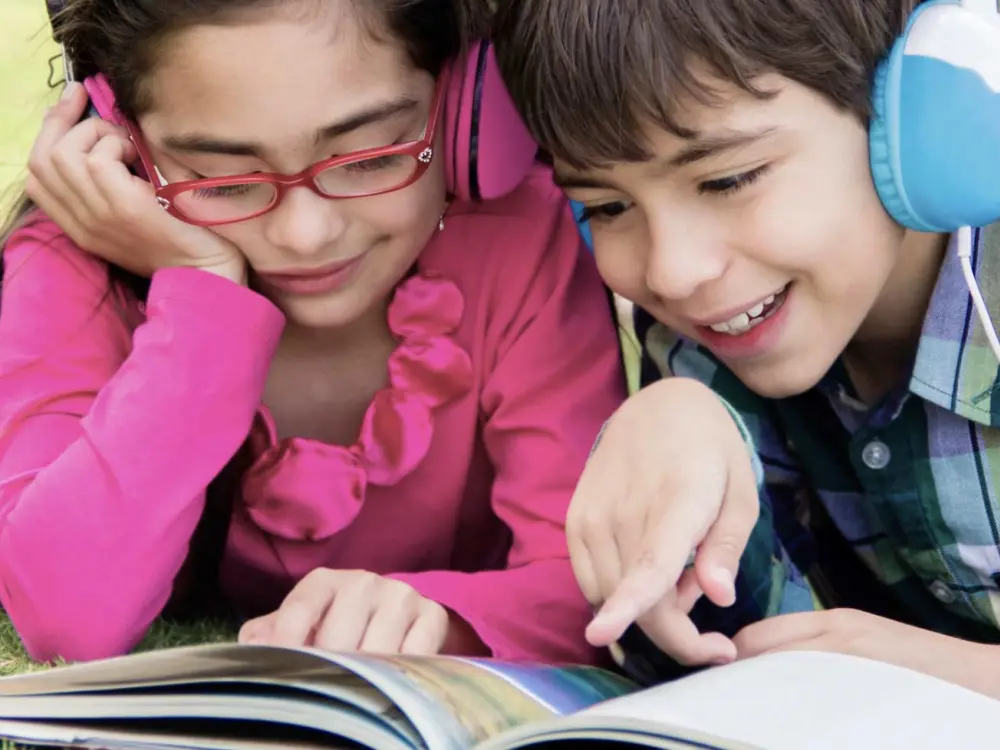
At a Glance Audiobooks and digital text-to-speech books can be a good way to help kids with reading issues.You can get these books for free from libraries, schools, and online sources like Bookshare.Talk to your school and local library about what’s available for your child. Read full article here.
Learn More
Summer is the perfect time for children to relax, read, and get swept away to places near and far. Together, we can combat the summer reading slide and keep our nation’s children reading and thriving. RIF offers a variety of resources and activities to engage young readers all summer long. Read full article here.
Learn More
What are interactive read alouds? Research suggests the most effective read alouds happen when children ask and answer questions about the text, instead of just listening to the story—this is what’s called an Interactive Read Aloud (IRA). According to McGee and Schickedanzk (2007), the kind of talk that occurs is important too, and analytic talk is the most effective kind during an IRA. Two examples of analytic talk…
Learn More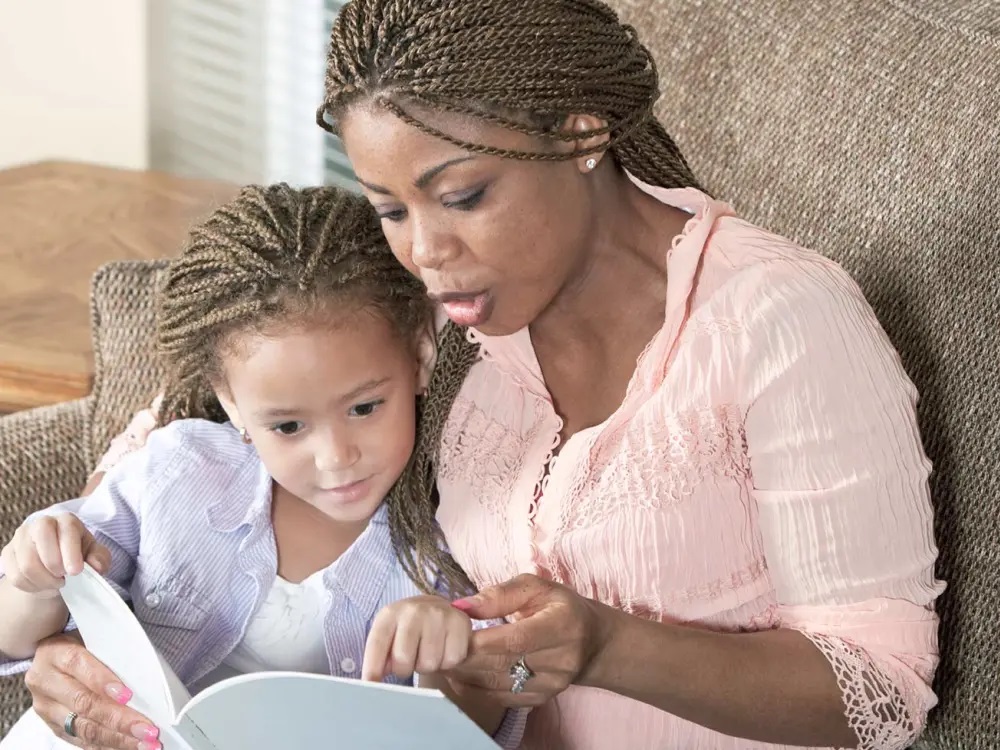
There are a few ways kids in pre-K and kindergarten can get ready to read. One way is by noticing and playing with the words, rhymes, and syllables they hear in everyday speech. This called phonological awareness . Kids also start to tune in to the individual sounds or phonemes in words. This is called phonemic awareness. The more you can build…
Learn More
with dinnertime storytelling, family conversation, and books about food. Regular family dinner may be a more powerful vocabulary-builder for young kids than reading. Read the full article here.
Learn More
Unite for Literacy projects build home libraries and support families to develop a daily habit of reading, both of which are key factors in growing lifelong readers. Read together and listen to books of your choice in a variety of languages. Start Reading Today!
Learn More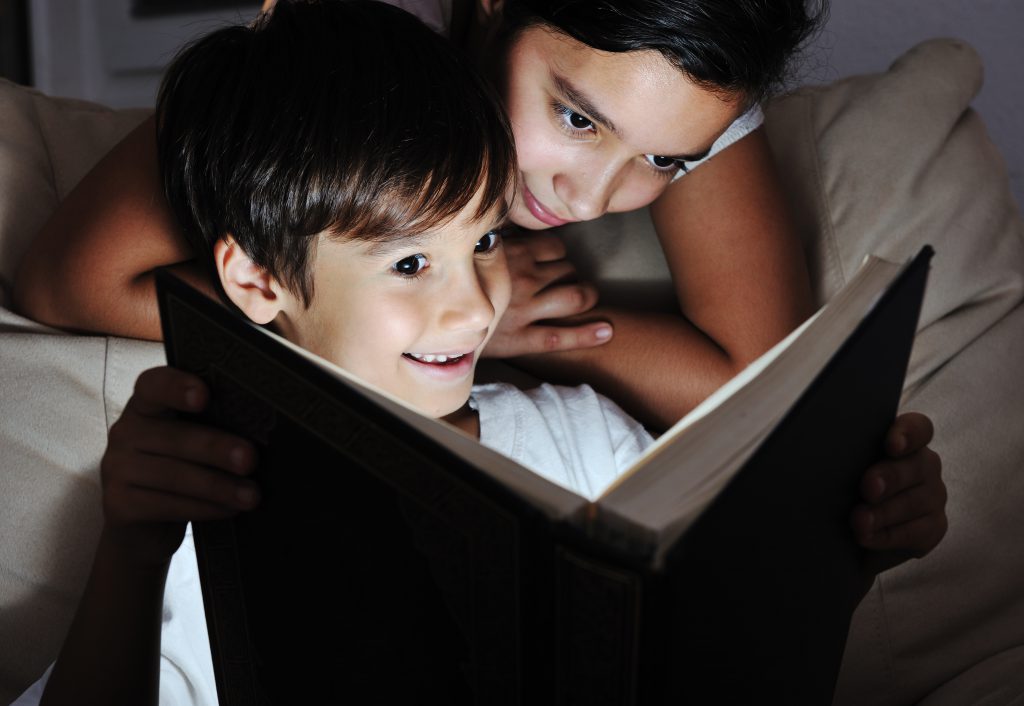
How Parents Can Instill Reading. Parents often ask how they can help their children learn to read; and it’s no wonder that they’re interested in this essential skill. Reading plays an important role in later school success. Parents often ask how they can help their children learn to read; and it’s no wonder that they’re interested in this essential skill. Reading plays…
Learn More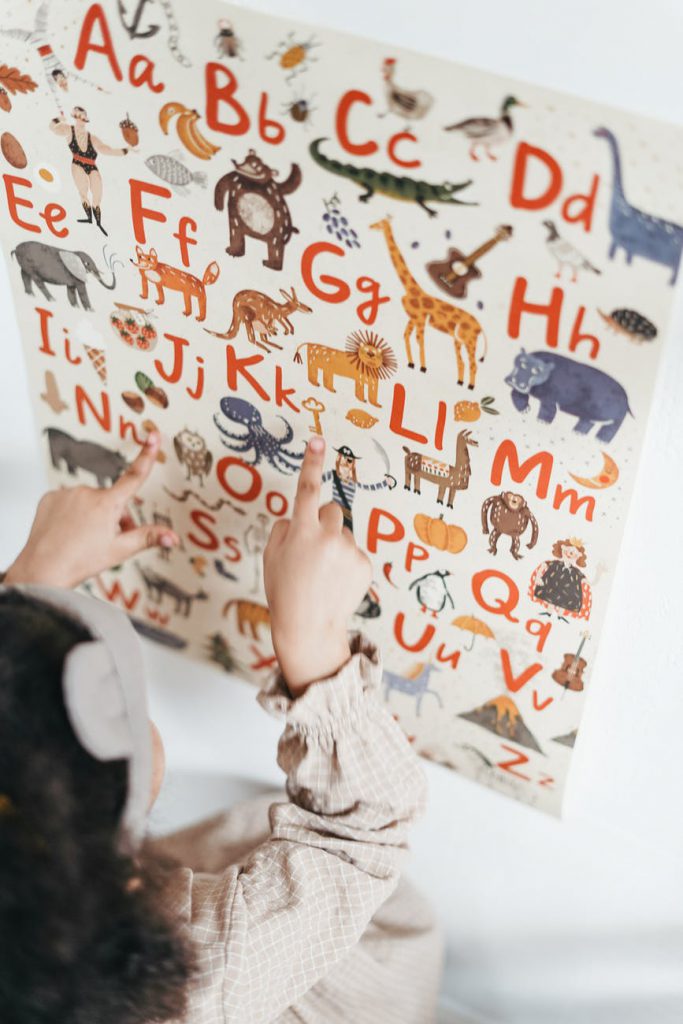
As a parent, you can help your child want to learn in a way no one else can. That desire to learn is a key to your child’s later success. Enjoyment is important! So, if you and your child don’t enjoy one activity, move on to another. You can always return to any activity later on. Helping Your Child Become…
Learn More Reading Rockets is a site well loved by educators and parents. Reading Tips for Parents (Available in multiple languages and tips for parents of children with disabilities) How to Choose Read Aloud Books: Babies to Third Graders- read aloud to preschoolersGreat Read Alouds for Kids: Babies to Grade 3
Learn More
Mothers, fathers, grandparents, and caregivers, this booklet is for you. It gives ideas for playing, talking, and reading with your child that will help him* become a good reader and writer later in life. Kindergarten (pages 9-18)1st grade (pages 19-25)
Learn More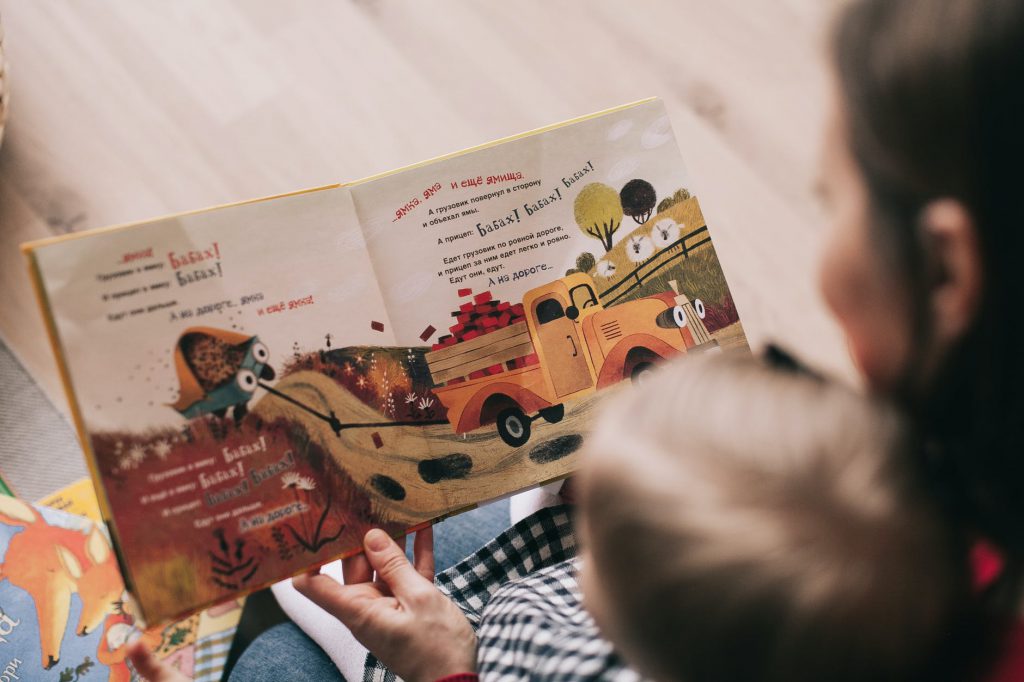
Learning to read is difficult. While spoken language develops in most cases naturally, reading requires explicit, systematic instruction. This page from The National Center on Improving Literacy, describes typical reading development from emergent through fluent reading. Sometimes we have concerns. This article offers a quick overview of the skills to look for and what to do if the child in your life seems…
Learn More
Basic listening skills and “word awareness” are critical precursors to phonological awareness. Learn the milestones for acquiring phonological skills. This page helps parents to understand the importance of developmental phonological skills through easy to understand definitions. There is also a table which notes the age where 80 to 90 percent of typical students have achieved each phonological skill. For Parents- Reading…
Learn More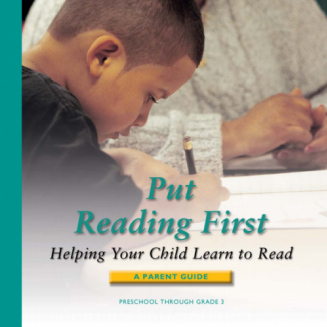
Success in school starts with reading. When children become good readers in the early grades, they are more likely to become better learners throughout their school years and beyond. Learning to read is hard work for children. Put Reading First – Parent Guide
Learn More
Dyslexia is a brain-based learning disability that specifically impairs a person’s ability to read. For individuals with dyslexia, specific portions of the brain typically associated with important reading processes may not function in the same ways that they do in individuals without dyslexia. Individuals with dyslexia often have difficulty with phonological processing, spelling, or rapid visual-verbal responding. Importantly, dyslexia is…
Learn More
The purpose of the Family and Community Toolbox is to provide resources in order to build upon the natural learning opportunities that occur within a child’s daily routine in the home and community. The resources contained in this toolbox provide encouragement to families and caregivers in supporting the early language and literacy development of children in their care. Family and…
Learn More
Active, involved parents are an essential resource for Ohio’s schools in making the most of every child’s educational experience, from pre-kindergarten all the way through high school. This page has information you can use to help guide your child’s education. My Child is in…Preschool, Kindergarten, Elementary School, etc.
Learn More